
School Information
Enrolment
Contact the school/preschool by phone or email to make an appointment for a pre-enrolment interview and complete the appropriate registration of interest page. Once an enrolment has been reviewed by school leadership, it will be processed to ensure we have all the correct details and sufficient vacancies or supports to best accommodate your child/ren. A pre-enrolment interview will be held prior to commencement to best support placement.
As part of the enrolment process, applications will need to provide the following:
- Proof of residence
- Birth certificate or International Travel Documents (Passport)
- Visa grant notification
- Visa details if not a permanent resident (the following sub classes will require a Letter of Confirmation/ Letter of Authority from International Education Services to enrol in a State Government School and may incur additional fees: Sub Class 500; School sector, Higher Education, Foreign Affairs or Defence Sector, Vocational Education & Training, Postgraduate Research sector, ELICOS, 600, 601,651).
- 457 and 482 visa holders are required register with the Temporary Resident Program (contact email: education.tempvisastudents@sa.gov.au)
The following websites may be of assistance:
Starting School Starting School with the Department for Education
Reception Placement Register of Interest Form
(PDF Document)
Year 1-6 Register of Interest Form
(PDF Document)
Children’s Centre Enrolments
For information regarding Children’s Centre enrolments (Preschool & Occasional Care) please visit Lake Windemere Children’s Centre
Preschool Registration of Interest Form
(Link to Online Form)
Starting Pre School Starting Preschool with Department for Education
Parent Information
Starting School Brochure
(coming soon)
Canteen Price List
(PDF, 877KB)
Uniform Price List
(PDF, 125KB)
School Chaplaincy Services
(coming soon)
External Service Providers
Lake Windemere welcomes student access to therapies that supports inclusion and engagement at school. Please see the parent information document for more information about how to organise access to your child’s service providers at school.
Parent Information Service Providers
(PDF Document)
Curriculum
Aboriginal Education at Lake Windemere B–6 School (Webpage Blurb)
At Lake Windemere B–6 School, Aboriginal Education is at the heart of our vision for a culturally rich, inclusive, and thriving learning environment. Led by a dedicated Aboriginal Education team, we advocate for and celebrate the histories, cultures, and perspectives of Aboriginal and Torres Strait Islander peoples, embedding these values deeply throughout our curriculum, school environment, and community engagement.
Our students have unique opportunities to connect with culture through Kaurna Language lessons, participation in the Bush Tucker Garden, yarning circles, and involvement in meaningful cultural events such as NAIDOC and Reconciliation Weeks. The Aboriginal Community Education Officer (ACEO) and our whole staff work together to provide a culturally safe, supportive environment where every student is empowered to take pride in their identity, learning, and heritage.
At Lake Windemere, reconciliation is not just an event—it’s a daily practice, shaping our school community and preparing our students to be respectful, knowledgeable, and connected citizens.

Aboriginal Education at Lake Windemere B–6 School (Context Statement)
Aboriginal education at Lake Windemere B–6 School is underpinned by a commitment to reconciliation, cultural safety, and authentic inclusion. For more than a decade, our Aboriginal Education Team has worked alongside Elders, families, and the wider community to ensure that Aboriginal perspectives are embedded across every aspect of school life.
A key feature of our program is the delivery of Kaurna Language lessons, available to Aboriginal and Torres Strait Islander students in Years 4–6. These small-group sessions, provided at no cost to families, are highly valued and eagerly anticipated by our students. We believe that recognising and promoting language and culture in education strengthens student engagement, builds confidence, and nurtures a sense of pride and belonging.
Our Aboriginal Community Education Officer (ACEO) plays a central role in advocating for the educational, social, and wellbeing needs of Aboriginal students and their families. The ACEO connects families with community organisations, supports classroom learning, and provides cultural leadership to staff and students. This support extends beyond the classroom, ensuring families feel welcomed, involved, and empowered in their children’s education.
Initiatives such as our Bush Tucker Sharing Garden – Windamilla Pipawardlings Wirra Mai Taikurringka Yarta – have been co-designed with Elders and students and are maintained through whole-school efforts, including our annual Villis Donuts fundraiser. These living projects deepen students’ connections to Country, foster sustainability, and provide hands-on learning about Aboriginal knowledge, histories, and food practices.
Our team also leads whole-site learning during significant cultural events including Reconciliation and NAIDOC Weeks, collaborating with Aboriginal artists, musicians, and Elders to create art, music, and shared experiences. The staff uniform, proudly featuring art by a local Aboriginal artist, reflects our ongoing reconciliation journey.
Aboriginal Education at Lake Windemere B–6 School is not confined to designated weeks or special events – it is a central part of our school’s identity, curriculum, and daily interactions. Our team’s work has built a school community where all students are supported to thrive, and where Aboriginal culture is visible, valued, and woven into the fabric of our learning environment.
We are excited to be able to offer Kaurna Language lessons again in 2026. At this stage we will only be offering it to our Aboriginal/Torres Strait Islander students in Years 4, 5 & 6, due to funding.
Your child has been selected to be a part of the program. They will be in a group of 8-10 students. They will have a 30 minute lesson once week.
We are aware this means time out from their classrooms, but we also understand that for our Aboriginal students, schools that promote a connection to culture see increased positive learning outcomes. Building a strong sense of community nurtures student’s self-esteem. Empowering them to teach their peers and build their confidence.
There is no cost to families for the lessons. All learning materials will be provided, and we are looking a number of ways students can then share their learning with families.
The Aboriginal Community Education Officer (ACEO) is responsible for supporting Aboriginal students, families, and communities by advocating for their educational, social, and wellbeing needs. Key functions include providing student and family support, fostering partnerships with community agencies, offering cultural leadership, developing programs to promote Aboriginal culture, collaborating on educational strategies, facilitating referrals, organising cultural events, monitoring student data, and ensuring a safe and inclusive learning environment. The ACEO serves as an essential link between the school, Aboriginal communities, and external agencies to help students succeed both academically and socially.
This team should be recognised for their sustained and powerful leadership in embedding Aboriginal knowledge, culture, and perspectives into the fabric of school life. Their commitment goes far beyond events or symbolic gestures—it is evident in everyday practice, the curriculum, and the culture of the school.
Positive Impact
Over more than a decade, the team has driven initiatives that have significantly improved student engagement, wellbeing, and cultural understanding. Regular Kaurna language lessons have become a highlight of the week for students, fostering pride, inclusion, and a deeper connection to Aboriginal culture. The creation of a Welcome to Country video featuring our students and members of the community, are an enduring and respectful Aboriginal voice within the school. The Aboriginal Bush Tucker Garden, developed in consultation with Elders and with input from all students, has become a meaningful space for learning, connection, and pride. These initiatives, alongside school-wide cultural food experiences, have led to increased student curiosity, participation, and respect for culture—clear indicators of positive growth and impact.
Networked Practice
The team works collaboratively across the school and Children’s Centre to embed Aboriginal perspectives into everyday teaching and learning. They actively partner with artists, musicians, and Elders during Reconciliation Week and NAIDOC Week, giving students hands-on cultural experiences that build understanding and school pride. The staff uniform, now featuring a logo designed with a local Aboriginal artist, symbolises the depth of their reconciliation journey. The ACEOs are instrumental in building strong, trust-based relationships with families—supporting them well beyond the classroom to strengthen engagement and continuity of learning.
Inspiring Engagement
By modelling respectful and responsive relationships with Aboriginal communities, this team has built strong partnerships that support students and enrich learning across the site. They mentor and support colleagues in using Kaurna language and embedding Aboriginal perspectives, growing the cultural capacity of the broader school community. Their work has ensured that Aboriginal culture is not only visible but valued—woven into the school’s identity and daily operations. Their leadership has inspired a school environment where students, families, and staff feel culturally safe, respected, and empowered.
This team is an example of reconciliation in action. Their deep and consistent commitment has made a lasting difference in the lives of students, families, and the broader community—and they deserve to be recognised for it.
At Lake Windemere B–6 School, reconciliation is not an initiative—it’s a way of being. Thanks to the unwavering leadership of the Aboriginal Education Team, every child, every staff member, and every family is part of a living, breathing culture of respect, truth-telling, and inclusion. Their work goes far beyond one-off events or celebrations—it is deeply woven into the school’s identity, curriculum, and community.
Reconciliation in Action: Aboriginal Education Team at Lake Windemere B–6 School
At Lake Windemere B–6 School, reconciliation is not an initiative—it’s a way of being. Thanks to the unwavering leadership of the Aboriginal Education Team, every child, every staff member, and every family is part of a living, breathing culture of respect, truth-telling, and inclusion. Their work goes far beyond one-off events or celebrations—it is deeply woven into the school’s identity, curriculum, and community.
Positive Impact
Over more than a decade, the team has led sustained and culturally rich initiatives that have deepened understanding, improved student wellbeing, and fostered pride in Aboriginal identity. Kaurna language lessons for Aboriginal students are a valued and consistent part of the curriculum. These lessons are so highly anticipated that younger students eagerly look forward to being old enough to participate. Soon, they will be extended to all students, with Kaurna words already commonly used across the school—a testament to the cultural shift underway.
The team developed a powerful Welcome to Country video in collaboration with students and community members, providing an ongoing and respectful Aboriginal voice that reinforces visibility and cultural respect within the school. Another flagship initiative—the Aboriginal Bush Tucker Sharing Garden, known as Windamilla Pipawardlings Wirra Mai Taikurringka Yarta—was co-designed with Elders and involved input from all students. It culminated in a culturally respectful opening ceremony and now serves as a meaningful learning space, integrated into the kitchen garden program to deepen connections with Country, sustainability, and wellbeing. Adjacent to the garden is a yarning circle, a dedicated space where stories and culture can be shared and learned, further enriching the school’s cultural experience.
The team also leads whole-school food-tasting experiences, introducing traditional foods such as kangaroo sausage rolls and wattle seed ice cream. These inclusive experiences build curiosity and appreciation for Aboriginal food practices and cultural history.
Over more than a decade, the team has led sustained and culturally rich initiatives that have deepened understanding, improved student wellbeing, and fostered pride in Aboriginal identity. Kaurna language lessons for Aboriginal students are a valued and consistent part of the curriculum. These lessons are so highly anticipated that younger students eagerly look forward to being old enough to participate. Soon, they will be extended to all students, with Kaurna words already commonly used across the school—a testament to the cultural shift underway.
The team developed a powerful Welcome to Country video in collaboration with students and community members, providing an ongoing and respectful Aboriginal voice that reinforces visibility and cultural respect within the school. Another flagship initiative—the Aboriginal Bush Tucker Sharing Garden, known as Windamilla Pipawardlings Wirra Mai Taikurringka Yarta—was co-designed with Elders and involved input from all students. It culminated in a culturally respectful opening ceremony and now serves as a meaningful learning space, integrated into the kitchen garden program to deepen connections with Country, sustainability, and wellbeing. Adjacent to the garden is a yarning circle, a dedicated space where stories and culture can be shared and learned, enriching the school’s cultural experience.
The team also leads whole-school food-tasting experiences, introducing traditional foods such as kangaroo sausage rolls and wattle seed ice cream. These inclusive experiences build curiosity and appreciation for Aboriginal food practices and cultural history.
As a result of these initiatives, there has been clear growth in student participation in cultural learning. Students no longer just learn about culture—they live it. Pride, curiosity, and cultural confidence are growing across the school.
Networked Practise
The team’s leadership extends across both the school and the Children’s Centre, embedding Aboriginal perspectives into everyday teaching, learning, and site culture. During Reconciliation Week and NAIDOC Week, they coordinate site-wide engagement in cultural experiences—partnering with Aboriginal artists, musicians, and Elders to co-create murals, songs, and artworks that reflect student learning and community identity.
Their work also influences the site’s visual identity. Staff uniforms now proudly feature a logo designed in collaboration with a local Aboriginal artist, offering a visible and lasting symbol of the school’s reconciliation journey.
Aboriginal Community Education Officers (ACEOs) are central to this work. They build deep, trust-based relationships with families, supporting wellbeing and learning far beyond the classroom. They attend appointments, provide transport, and connect families to services—ensuring they feel respected, supported, and included in their child’s education.
The team’s collaborative and community-led approach has fostered strong partnerships that extend beyond the school, strengthening connections between families, staff, and community.
Inspiring Engagment
This team consistently models how to engage with Aboriginal communities in respectful and authentic ways. Their partnerships with Elders, artists, and cultural organisations create opportunities for cultural learning that stretch beyond the classroom and into the broader community.
They lead staff in annual cultural responsiveness learning through professional development days, providing guidance and mentoring to build whole-site cultural competence. Their support empowers colleagues to confidently embed Aboriginal perspectives and Kaurna language into teaching practice, helping to raise the cultural capability of the entire school.
Their advocacy has helped staff embrace the understanding that reconciliation is not a one-off event but an ongoing, shared responsibility. This leadership has helped cultivate a school culture where Aboriginal knowledge and perspectives are lived, valued, and celebrated every day.
As a result, both Aboriginal and non-Aboriginal students feel a stronger sense of pride, belonging, and connection to culture and Country. Families feel welcome, heard, and involved in the life of the school. Staff report feeling more culturally capable, confident, and inspired.
This team exemplifies reconciliation in action. Their consistent, thoughtful, and community-driven work has created lasting change—within their school, across their community, and in the hearts of the students they serve. They have created a culturally safe, inclusive, and vibrant learning environment where all students feel connected to culture, to Country, and to each other.
Their impact is significant, enduring, and truly worthy of recognition.
This proposal seeks approval from the Lake Windemere B-6 School Governing Council to conduct a Villis Donuts fundraiser during Reconciliation Week and NAIDOC Week 2026. All funds raised will support the ongoing development and maintenance of the school’s Bush Tucker Garden, which provides meaningful learning opportunities and celebrates Aboriginal and Torres Strait Islander cultures.
For the past two years, the Villis Donuts fundraiser has been held in conjunction with these significant weeks in our school calendar. It has been well received by families, staff, and students, generating valuable funds that have enhanced the Bush Tucker Garden, a project integral to our commitment to reconciliation and cultural education.
Proposal:
- The fundraiser will be scheduled during NAIDOC Week (7 – 14 July).
- Donuts will be supplied by Villis, as per previous years.
- Orders will be collected via the usual student order forms and payments processed through the school’s established methods.
- Funds raised will be allocated directly towards the Bush Tucker Garden, ensuring further planting, signage, and educational resources can be acquired and utilised.
- Promotion will include school newsletters, notice boards, and classroom reminders to maximise participation.
Allied Health Providers
Lake Windemere B-6 School allows for select providers to work with students on site, if it supports the learning and engagement of students in an educational setting.
If your child has Allied Health providers who would like to work with them at school they must email dl.1908.studentsupport@schools.sa.edu.au to commence this process. They will be prompted to provide a variety of clearances and documentation to support their application to work on site prior to approval and booking.
Please be aware Lake Windemere B-6 School has strict policies and processes allowing for Allied Health providers to work on site that align with Department for Education procedures.
Student Wellbeing and Engagement
More information coming soon.
Governing Council
The Governing Council’s role is to:
Set broad directions for the school in conjunction with the site leader. This may include the school vision, statement of purpose, and school values which focus on improving child/student learning.
Develop broad directional policy statements that assist the pre/school to achieve its vision and broad direction
Initiate and approve recommendations and strategies (whilst conforming to government policy, industrial agreements, DfE policy and direction and site decision making structures).
Governing Council is an elected body of parents that meet twice a term to represent the wider school community. They work with the Principal and Director around matters of ‘governance’ in the preschool and school.
Things that cover ‘governance’ include:
- Reviewing current school polices (eg- Anti-bullying, Sun-safe, grievance procedures etc.)
- Fundraising for our students (your children) so we can continually improve our facilities/ equipment (FUNdraising committee)
- Oversight of the schools Learning Improvement plans
- Oversight of our sites finances
Student Leadership
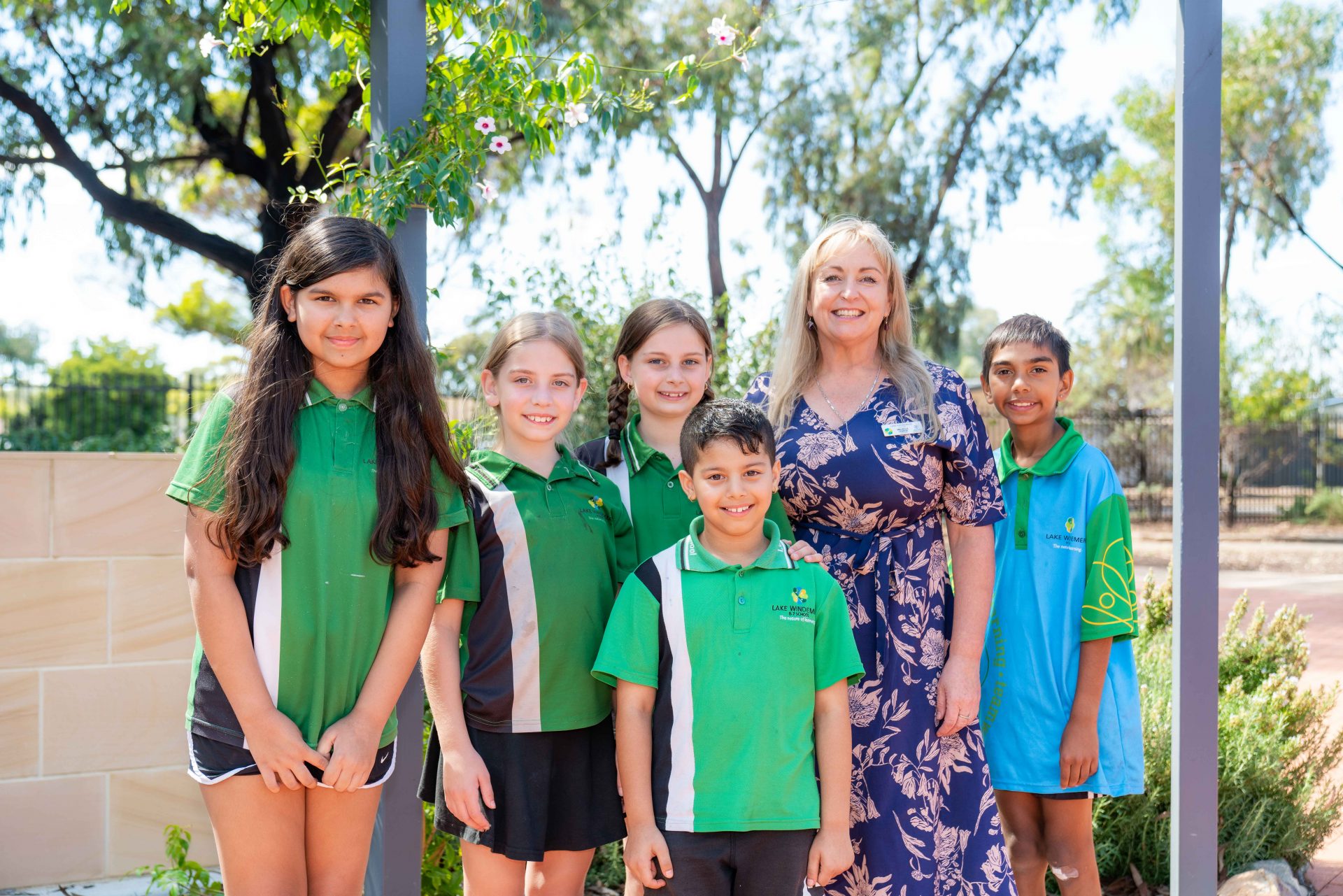
Students are provided with a range of opportunities to develop skills of leadership, organisation and compassionate citizenship. These include student action teams, house captains, presenting at assembly, courtesy students roles, tour guides, class buddies, cross age tutoring programs and as part of student forums on issues such as school uniform design and developing the school values.
Sports Day House Captains
Lake Windemere students have the opportunity to become Sports Day Captains for Sports Day. All year 6 and 7 students must write an application describing themselves as a learner, their relationships with peers, staff and school community, their behavior in class and the year and lastly why they should be chosen as a captain. The Sports Day Committee read all applications sent through by our students and select captains. Sports Day Captains must demonstrate strong leadership, commitment to the school values and represent their team. The house captains represent the following school houses;
Tangku (snake) – red
Nakulda (shark) – green
Tuparra (lizard) – blue
Pila (eagle) – yellow
School Policies & Procedures
Attendance Policy
(PDF, 877KB)
Behaviour Support Policy
(PDF, 276KB)
Bullying Policy
(PDF, 249KB)
Complaint Management Policy
(PDF, 249KB)
Cyberbullying Policy
(PDF, 247KB)
Emergency Management Plan
(PDF, 247KB)
Personal Devices Policy
(PDF, 182KB)
Right to disconnect – Communication protocol
(PDF, 182KB)
SunSmart Policy
(PDF, 149KB)
Uniform Policy
(PDF, 432KB)
Volunteering
We believe that voluntary workers can make a significant contribution to the school community by giving their time and sharing their skills and expertise with others. Volunteers may have a wide range of interests and abilities that complement school programs, thus providing a wider range of interactions and experiences for students.
Volunteers will be assessed for their suitability to work at the school. This assessment will be made in relation to the skills and contributions being offered.
Sequence of Steps for Volunteers
1. Make contact with the school to ascertain school needs re volunteers
2. Provide documentation for the criminal history check
3. Attend the Orientation meeting
4. Sign agreement form
QKR! App
School payments including lunch orders, school uniforms, school fees and excursions can all be paid by the QKR app. Please click on link for instructions for downloading.
QKr! - How to Canteen
(PDF, 276KB)
Canteen Price List
(PDF, 247KB)
QKr! - How to make Payments
(PDF, 276KB)